
Seasonal guide
Fall Cleanup Checklist for Litchfield County Gardens
What to do in your yard and garden between the first frost and the first snow, and what to leave for spring.
A good fall cleanup isn’t about stripping the garden bare. It’s about protecting the lawn from matted leaves, clearing out disease before it overwinters, helping evergreens and new plantings get through a Northwest Connecticut winter, and leaving the property ready to wake up in spring. Here’s what we recommend for yards and gardens in New Milford and across Litchfield County.
When to do your fall cleanup
In most of Litchfield County, the best window runs from late October through November, after most leaves have dropped and before the ground freezes or the first lasting snow. Timing shifts with elevation and with each year’s weather. Hilltop properties in towns like Washington, Warren or Kent can be a week or two ahead of the river valleys.
On wooded lots, one cleanup often isn’t enough. Oaks hold their leaves late, so many properties benefit from an early pass in late October and a final one once the last leaves are down.
Lawn
1. Don’t let leaves sit on the grass
A thin scattering of leaves can be mown and left to break down, but a thick layer mats down under rain and snow. That smothers the grass and creates the damp conditions where snow mold thrives. Clear heavier leaf cover from the lawn before winter.
2. Keep mowing until the grass stops growing
Grass keeps growing into the fall, so keep mowing until it stops. For the last mow or two, cut a little shorter than your summer height, but never scalp it. Long, floppy grass going into winter is more likely to mat and develop snow mold.
Garden beds & perennials
3. Cut back what flops or gets diseased
Perennials that turn to mush after frost, such as hostas and daylilies, are easiest to cut back in fall. Cut peonies to the ground, and clear plants that had mildew or leaf spot this year (bee balm and garden phlox often do). That removes spots where disease can overwinter.
4. Leave some plants standing
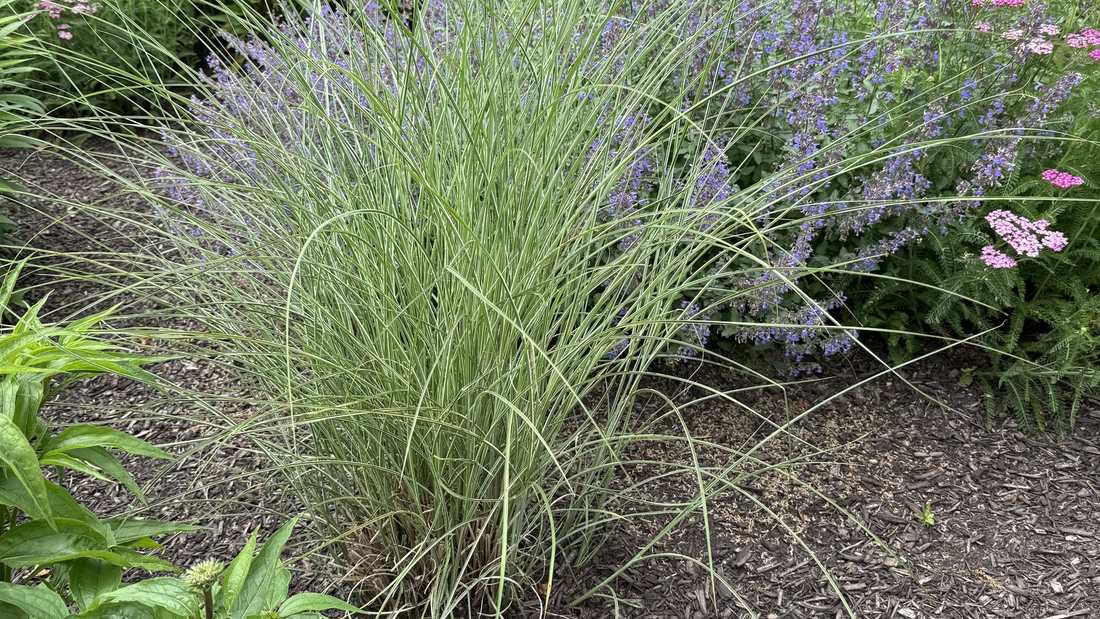
You don’t need to cut everything. Ornamental grasses, coneflowers, black-eyed Susans and sedum look good through winter, hold snow beautifully and feed birds. These can be cut back in early spring instead.
5. Bag diseased foliage instead of composting it
Leaves with mildew, black spot or other disease should leave the property rather than go into a home compost pile, which usually doesn’t get hot enough to kill the problem.
6. Weed one last time and recut the edges
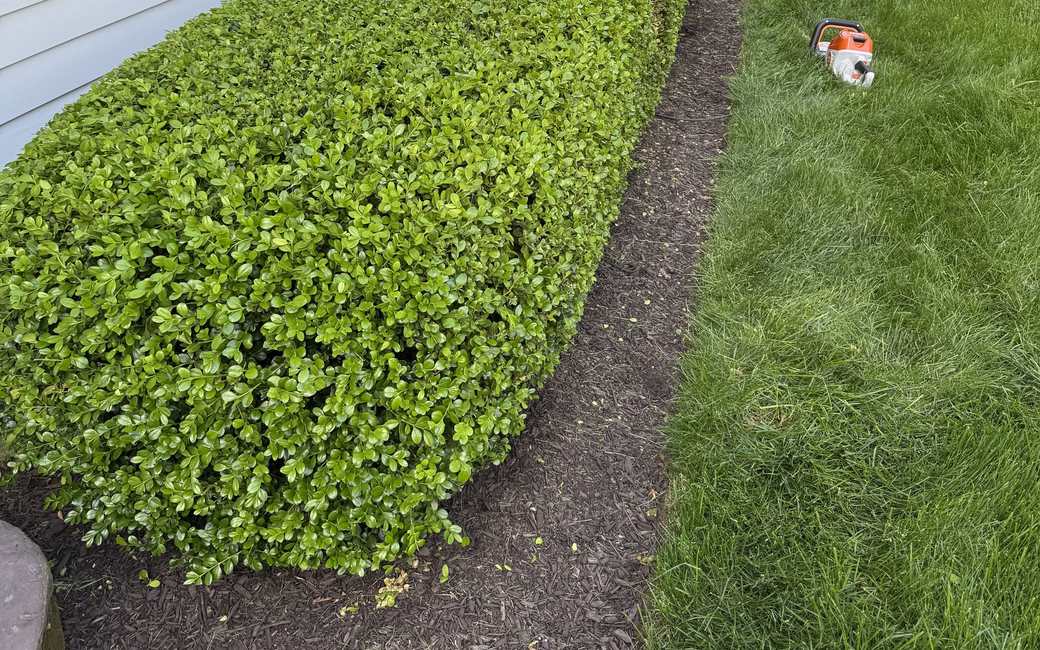
Pulling weeds now, before they set seed or settle in for winter, means far fewer in spring. A fresh, crisp edge between lawn and bed holds its shape through winter and makes spring cleanup quicker.
7. Mulch with care
Fall is a fine time to top up mulch around new or tender plantings once the soil has cooled. Keep mulch a few inches away from stems and trunks, never piled up against them. Many homeowners prefer to do their main mulching in spring, after the spring cleanup.
Shrubs, hedges & evergreens
8. Water evergreens and new plantings until the ground freezes
Evergreens keep losing moisture through their leaves all winter, and they can’t replace it once the ground is frozen. If the fall has been dry, giveboxwood, rhododendron, arborvitae and anything planted this year a deep watering before the freeze. It’s one of the best defenses against brown, winter-burned foliage in spring.
9. Protect shrubs from deer
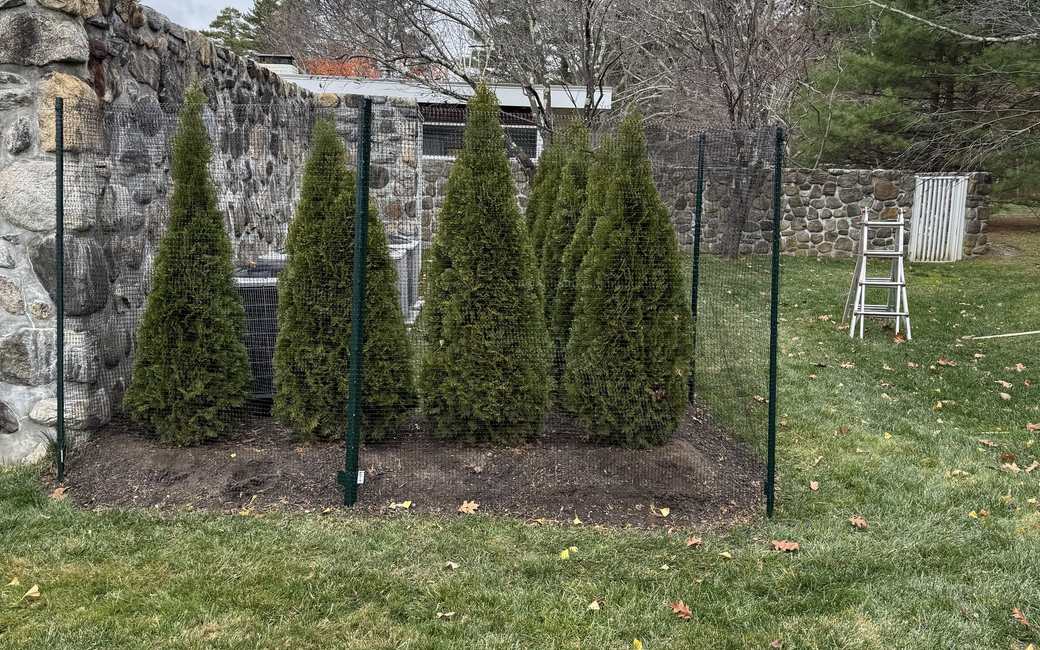
Deer browsing gets heavier in winter, when there’s less else to eat. Arborvitae, yew and rhododendron are common targets. Deer netting, burlap wraps or fencing around vulnerable plantings, especially new ones, can save years of growth.
10. Save heavy pruning for later
Fall is the wrong time for major pruning. Cuts can trigger new growth that won’t harden off before the cold. It’s fine to remove dead, damaged or broken branches now. Don’t prune spring bloomers such as lilac, forsythia, rhododendron and most bigleaf hydrangeas: they’ve already formed next year’s flower buds, and cutting now means fewer flowers in spring.
Containers, hoses & snow prep
11. Empty or cover containers and urns
Terracotta, cast stone and some ceramic pots can crack when wet soil freezes and expands. Empty them, store them, or cover them so they stay dry. Clear out finished annuals, which are also a good chance to plan next year’s seasonal plantings.
12. Disconnect hoses and shut off outdoor faucets
Drain and store hoses, and shut off and drain outdoor spigots so they don’t freeze. If you have an irrigation system, have it winterized by the company that services it.
13. Mark driveway and walkway edges
Before the ground freezes, put reflective stakes along driveway edges, walkways and anything a plow could catch: lawn edges, bed corners, low walls. It helps any plow driver keep snow where it belongs and protects your lawn and plantings.
If it’s a second home
If you’re closing up a weekend or seasonal property for the winter, schedule the fall cleanup before your last visit, or have it done while you’re away. Arriving in spring to a property that was put to bed properly makes the whole season easier. Set up winter snow removal at the same time, so the driveway is clear if you come up for a winter weekend.
Fall cleanup checklist
- Clear leaves off the lawn before they mat down
- Keep mowing until the grass stops growing
- Cut back soft, floppy and diseased perennials
- Leave grasses and seed heads standing for winter
- Bag diseased foliage instead of composting it
- Weed beds one last time and recut the edges
- Water evergreens and new plantings until the ground freezes
- Wrap or net shrubs that deer browse in winter
- Hold off on heavy pruning until late winter or after bloom
- Empty or cover containers and urns that can crack
- Disconnect hoses and shut off outdoor faucets
- Mark driveway and walkway edges before the ground freezes